Published
SCC publishes updated English translation of the Swedish Arbitration Act
The SCC Arbitration Institute is pleased to announce the publication of an updated English translation of the Swedish Arbitration Act (SFS 1999:116, as amended by SFS 2018:1954). This update builds on the SCC's long-standing unofficial translation, which has for years served as a trusted point of reference for the international arbitration community.
Swedish law and Stockholm arbitration on the international stage
Sweden has for decades been a preferred seat for international arbitration, and that international character runs deep through the SCC’s caseload. Over the last ten years, the SCC has registered cases involving parties from a total of 87 different nationalities. That long-term trend was reinforced, and indeed record-breaking, in 2025: a total of 213 new cases were registered, with 568 parties from 50 different countries bringing their disputes to the SCC — the highest number of parties and party nationalities ever recorded in a single year. Of the 213 cases registered in 2025, 50 % were international disputes, and among those administered under the SCC Arbitration Rules, 59 % involved at least one non-Swedish party. Stockholm remained the seat of choice in 72 % of 2025 cases, with arbitrations also seated across the Nordic capitals, London, Geneva, Zurich and Moscow. Swedish law was the applicable law in 68 % of cases commenced in 2025, well ahead of English law in second place.
As the use of Swedish law and Stockholm-seated arbitration continues to grow among parties, counsel and arbitrators around the world, the SCC remains committed to making the Swedish Arbitration Act as accessible as possible to practitioners who may not read Swedish. This updated translation is a direct expression of that commitment, offered as a practical resource for anyone whose contracts are governed by Swedish law or whose disputes are seated in Stockholm.
What is new
The updated translation introduces a number of terminological refinements throughout the text, sharpening the English wording in places to track the Swedish original more closely and to make the translation easier to navigate for an international readership. These are refinements to the translation itself; Swedish arbitration law is entirely unaffected, and practitioners already familiar with the Act will find its structure and substantive content unchanged. What has improved is the precision and readability of the English version, building on the strong foundation of its predecessors.
A note on the status of the translation
As with previous versions, this English translation is not an official or authorised translation issued by the Swedish Government or any other public authority. It continues to be produced and maintained by the SCC as a service to the international arbitration community, to support ease of reference and understanding of Swedish arbitration law. The Swedish text of the Act remains the sole authoritative version for all legal purposes, and parties and counsel should consult it, or seek qualified advice, where precision on a specific point of Swedish law is required.
With thanks
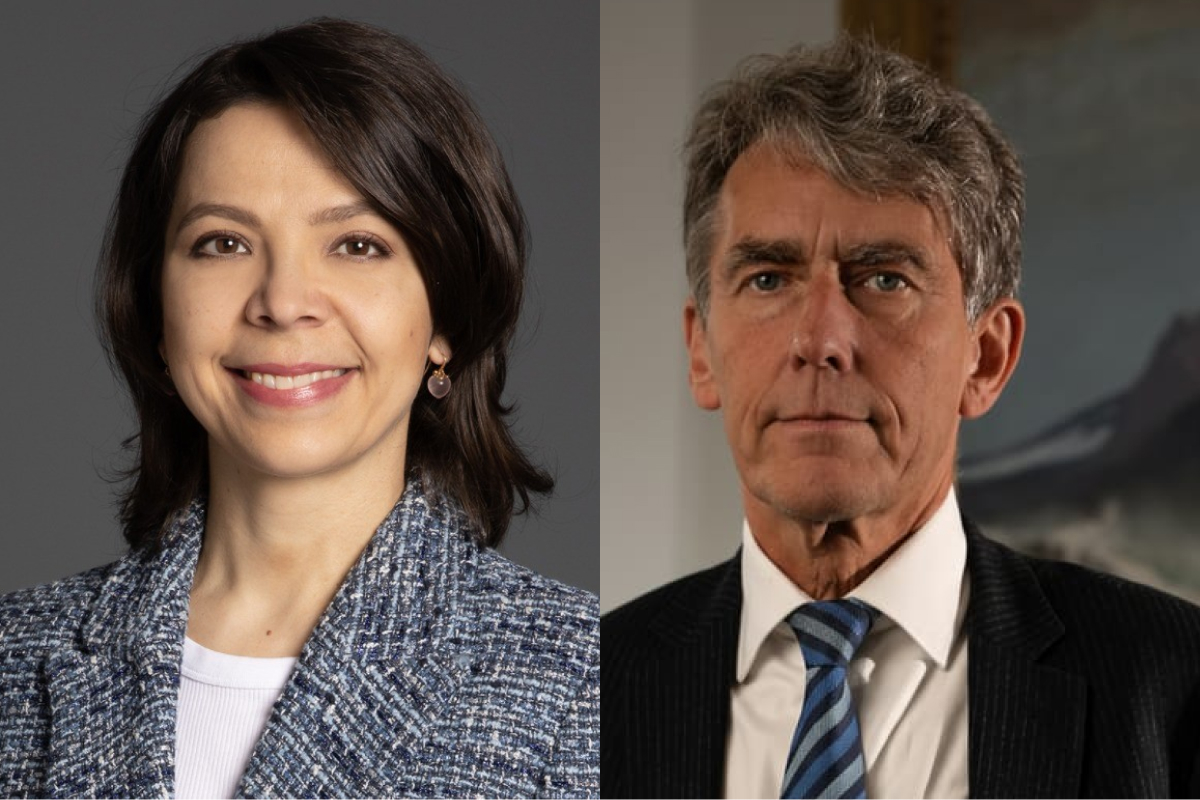
The SCC would like to thank Polina Permyakova and Ulf Hårdeman of Rågmark & Partners for their valuable contribution to this update, and James Hope for his additional review of the translation. Their careful and considered input has been much appreciated in keeping this translation a useful and trustworthy resource for the international community.
The updated English translation of the Swedish Arbitration Act is available via the button below.