SCC report on arbitrator appointments in SCC cases 2020-2024
Authors: Jake Lowther, Yasmine Brunstorp1
Table of contents
Introduction
Two of the most important questions asked in arbitration are who is appointed as arbitrator and by whom. Arbitration is a dispute resolution method characterised by the principle of party autonomy. A manifestation of this is the right of the parties to choose the adjudicator in their case. Anecdotally, we hear from the users of arbitration that this is one of the key reasons many parties chose to include an arbitration clause in their contract in the first place.
It should therefore come as no surprise that the SCC Arbitration Institute (“SCC”) takes its role in the arbitrator appointment process very seriously – whether under the SCC Rules or as appointing authority, whether in commercial or investment treaty arbitrations. Indeed, the SCC’s unofficial mantra is “the right person for the right mandate”. To fulfil this mantra, the SCC places a high priority on maintaining knowledge of – and contact with – a wide network of Swedish, Nordic and international arbitration practitioners.
To gain a comprehensive view of arbitrator appointments in SCC arbitrations, the institute conducted a review of the five-year period from 2015 to 2019 (the “2020 Report”). That study surveyed 1,251 appointments in 690 disputes.2 Five years on from the 2020 Report, the time is ripe to conduct a similar review, to assess the current state of play, and to draw comparisons with the previous period. This publication (the “2026 Report”) considered all appointments made in the period of 1 January 2020 to 31 December 2024, which entailed a review of 1,107 arbitrator appointments across 854 registered cases.
The production of both reports was driven by the SCC’s strong commitment to transparency and its engagement with the question of diversity and inclusion within international trade and dispute resolution. It is a question whose relevance and importance has only increased in recent times.
The SCC has historically incorporated diverse perspectives into its appointment process. In the view of the SCC, the arbitrators – who are in many ways the face of international arbitration – should reflect the increasingly diverse nature of the parties involved. Indeed, in the period of 2020 to 2024, the claimants represented 55 different jurisdictions and the respondents represented 56. To put this in perspective, the SCC registered cases involving parties with a total of 87 different nationalities in the last 10 years.
This 2026 Report first sets out the material and methodology applied (section 2). It then explains the arbitrator appointment process at the SCC (section 3), before providing a general analysis of the cases during the period (section 4). The report then examines the various diversity markers in line with the structure of the 2020 Report, being:
i) gender (section 5),
ii) nationality (section 6),
iii) repeat appointments (section 7), and
iv) age (section 8).
The 2026 Report considers statistics from other recognised international arbitration institutes to benchmark and provide a broader context beyond the SCC. The report also analyses the results of the survey and compares them with the statistics from the 2020 Report to make key findings (section 9), before some concluding remarks (section 10). Finally, the report contains further information on how to be appointed as an arbitrator by the SCC (section 11).
Material and methodology
The data considered in this 2026 report covers all appointments made in cases administered under the SCC Rules, i.e., the SCC Arbitration Rules, the SCC Rules for Expedited Arbitrations, the SCC Mediation Rules, including the appointments of emergency arbitrator pursuant to Appendix II of the SCC Arbitration Rules and SCC Expedited Arbitration Rules.3 The appointments of a Neutral pursuant to the SCC Rules for Express Dispute Assessment (SCC Express) have not been considered in this report, as the service was introduced in 2021.
The survey is based on data from 436 individual arbitrators, who comprise the arbitrator pool for this 2026 Report’s 1,107 appointments and 854 cases.
Where the information required for this report was lacking, the relevant arbitrator has been contacted to provide the missing information. For example, the SCC does not register the date of birth of an arbitrator in its systems, and many practitioners do not include this information on their CVs. In this 2026 Report, only 3 per cent of arbitrators appointed in cases administered under the SCC Rules have not provided their date of birth. The remaining 97 per cent of the 436 arbitrators have voluntarily provided this information to the SCC.
The SCC does not record information on the racial and ethnic backgrounds of arbitrators. However, data on arbitrators’ nationalities provide some insights into the geographical diversity of arbitrators in SCC arbitrations and forms the basis of the analysis. It should also be acknowledged that the SCC does not record certain data, and is unable to track LGBTQ+ representation, socioeconomic background, or disability status.
The SCC is grateful to all arbitrators who have submitted updated resumes and any other requested information, thereby ensuring the thoroughness and accuracy of the data used in this report.
Arbitrator appointment process at the SCC
The applicable rules and practice
The SCC Rules impose a minimal number of restrictions on arbitrator qualifications. According to Article 18 of the SCC Arbitration Rules and the SCC Rules for Expedited Arbitrations, every arbitrator must be impartial and independent.
The majority of SCC cases are seated in Sweden. The Swedish Arbitration Act (SFS 2018:1954) (“Act”) applies to arbitrations seated in Sweden and is therefore applicable to the majority of arbitrator appointments made at the SCC. According to the Act, the role of arbitrator can be performed by any individual who “[possesses] full legal capacity in regard to his or her actions and property”, and who is impartial to the dispute and independent of the parties involved.4
In contrast to some other arbitral institutions, the SCC does not maintain a specific list or roster of certified arbitrators. Despite the absence of a list or roster, arbitrators who are interested in being appointed to an SCC arbitration are invited to register their personal and professional details in the SCC Arbitrator Registry.5 In addition to areas of legal and industry expertise, the SCC Arbitrator Registry contains information on the arbitrator’s nationality/nationalities, gender6, year of birth, and working language(s). The data collected by the SCC ensures the SCC Secretariat has access to relevant information to propose candidates to the SCC Board for appointment.
For arbitrations conducted according to the SCC Arbitration Rules, in the absence of party agreement on the number of arbitrators, the SCC Board decides whether the Arbitral Tribunal shall consist of a sole arbitrator or three arbitrators7. If the dispute is to be resolved by a sole arbitrator, the SCC provides the parties with the opportunity to appoint the sole arbitrator within 10 days. If the parties fail to agree on a candidate, the appointment is made by the SCC Board.8
Upon the parties’ request, the SCC can also provide a list procedure for the appointment of the sole arbitrator or chairperson. In such a procedure, the SCC provides a list of candidates and invites the parties to comment on and rank the proposed candidates before the SCC Board makes the final appointment, ensuring independence, impartiality, and suitability to the dispute.9
If the SCC Board decides that the Arbitral Tribunal shall consist of three arbitrators, then each party will be given the opportunity to appoint one arbitrator, before the SCC Board then appoints the chairperson. In the context of multi-party arbitrations under the SCC Rules, if either party fails to appoint an equal number of arbitrators, the SCC Board may exercise its power to appoint the entire Arbitral Tribunal.10
For cases administered under the SCC Rules for Expedited Arbitrations, disputes are always decided by a sole arbitrator. The same procedure as in cases under the SCC Arbitration Rules decided by a sole arbitrator applies.11
When appointing an arbitrator, the SCC Board considers factors such as previous experience as arbitrator, tribunal balance, applicable law, and the availability of the candidate.12 These considerations are in accordance with the SCC Rules and the SCC Policy on the Appointment of Arbitrators, discussed further below.13
In Arbitral Tribunals comprised of three arbitrators, the SCC seeks to achieve a balanced representation of expertise, qualifications, seniority, and language skills. Moreover, if the parties have differing nationalities, the sole arbitrator or the chairperson of the Arbitral Tribunal will not have the same nationality as either party, unless the parties agree or in the event of exceptional circumstances.14
The SCC Policy on the Appointment of Arbitrators
As stated above, when the SCC appoints an arbitrator, it considers a range of factors based on the SCC Rules and in accordance with the Policy on the Appointment of Arbitrators.
These include:
- The nature and circumstances of the dispute. This informs the type of expertise or specialisation required to decide the dispute.
- Previous experience as an arbitrator. This is particularly important in more complex disputes.
- The seat, applicable law and language of the arbitration.
- Nationality. If the parties are of different nationalities, the sole arbitrator or chairperson will generally not be of the same nationality as a party.
- Availability. Arbitrators must have time to decide the dispute within the timeline stipulated by the applicable SCC Rules.
- Tribunal balance. The Board seeks to balance expertise, qualifications, seniority, language and other relevant factors.
- Case management skills. This includes efficiency, expeditiousness, and the ability to make use of available technology.
- Diversity. Where there are many arbitrators of similar qualifications, the Board will actively consider diversity of gender, age, and national origin.
At the SCC Board’s monthly meetings, these and other relevant factors are discussed in relation to the appointment of each new arbitrator, including reputation, expertise, and emerging professionals.
Moreover, the SCC has access to and knowledge of an extensive network of arbitration practitioners and experienced arbitrators. In addition, arbitrators can register or update their experience, qualifications, skills, and availability through the SCC Arbitrator Registry.15 More information on the appointment process is available on the SCC website.
SCC initiatives to broaden and diversify the pool of arbitrators
The SCC actively works to broaden and diversify the pool of arbitrators available for appointment, both through its own training programmes and through its support of external initiatives aimed at developing the next generation of arbitration practitioners.
The SCC offers two training courses aimed at expanding the pool of qualified arbitrators. The Arbitrator Training Programme, held in Swedish and organised by the Swedish Arbitration Association (SAA) in cooperation with the SCC, is tailored to Swedish conditions and targets lawyers with experience of acting as counsel in Swedish or international arbitration proceedings, with the explicit aim of rejuvenating and expanding the Swedish-speaking arbitration corps.
The Diploma Course for International Arbitrators, also offered jointly by the SCC and the SAA, is conducted in English and is designed for experienced international arbitration practitioners with at least ten years of dispute resolution practice and bar admission outside Sweden, providing eight intensive modules on Swedish arbitration law, the SCC Rules, and practical skills such as hearing conduct and award drafting in SCC or Sweden-seated arbitrations. Upon successful completion of the international course, participants receive a diploma, and alumni have noted that the programme assists in widening the pool of arbitrators while ensuring top quality for Sweden-seated arbitrations. In addition to these two courses, the SCC offers a one-day introductory course designed to give practitioners an accessible entry point into the role of arbitrator and the practical aspects of arbitral proceedings.
The SCC is also represented on the Board of Young Arbitrators Sweden (YAS) and co-organises events and initiatives together with YAS to support the next generation of arbitration practitioners. Members of the SCC Secretariat and Board also act as mentors to younger practitioners through formal and informal mentoring arrangements, including through Young ICCA, the Moot Alumni Association (MAA), and at the law programmes of Swedish universities.
The SCC is committed to promoting gender diversity and broader inclusion within the arbitration community. Each year, the SCC supports and hosts events together with SWAN (Swedish Women in Arbitration Network) and is represented on the SWAN Board. The SCC also supports Open Arbitration, an initiative focused on promoting the inclusion of underrepresented groups within the field and co-organised an event with Open Arbitration during the Swedish Arbitration Days.
Taken together, these initiatives reflect the SCC’s active commitment to ensuring that the arbitrator pool is not only large, but diverse, highly skilled, and continuously renewed. By investing in training, mentorship, and collaboration with organisations dedicated to inclusion and professional development, the SCC seeks to maintain and strengthen the quality and breadth of arbitration in Sweden.
The analysed cases
Of the 854 cases administered by the SCC during the period of 2020-2024, approx. 62 per cent were arbitrations under the SCC Arbitration Rules, while approx. 34 per cent were under the SCC Rules for Expedited Arbitrations. SCC Emergency Arbitrator proceedings accounted for approx. 3 per cent, and mediation under the SCC Mediation Rules accounted for approx. 1 per cent of the total caseload. As mentioned, cases administered under the SCC Rules for Express Dispute Assessment (SCC Express) have not been considered in this report, as the service was introduced in 2021.
Given the relatively small number of emergency arbitrator proceedings during the period (approx. 3 per cent of the total caseload), a separate demographic analysis of emergency arbitrator appointments has not been included in this report. The SCC intends to monitor this data for future reporting as the caseload develops.
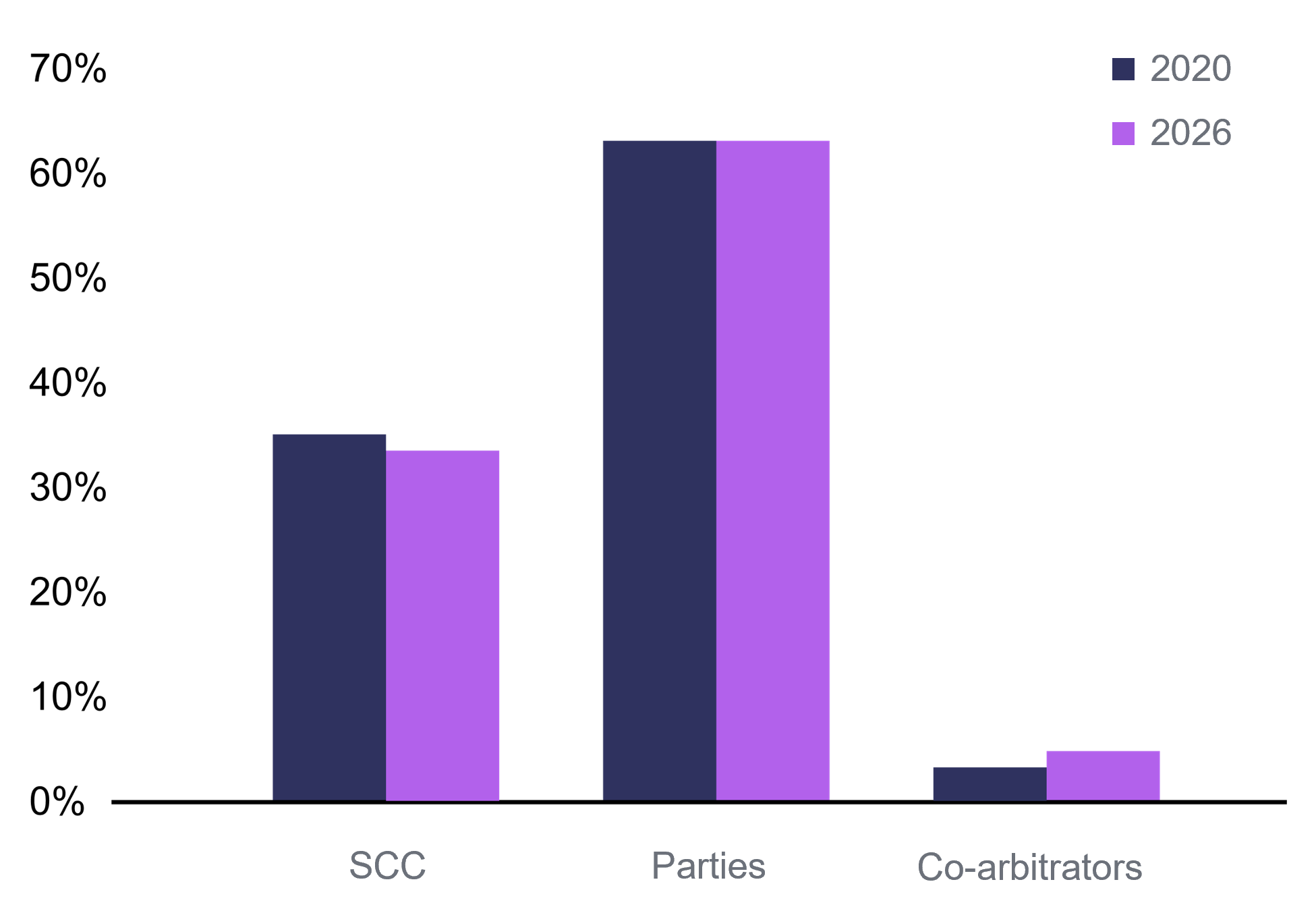
It is important to note that the SCC was responsible for 33 per cent of the 1,107 analysed appointments, while the parties were responsible for 62 per cent. The co-arbitrators were responsible for the remaining 5 per cent of the appointments. The co-arbitrators have therefore had a relatively small impact on the overall diversity statistics in this 2026 Report compared to the parties and the SCC. By comparison, according to the 2020 Report, the SCC was responsible for 35 per cent of the analysed appointments, the parties were responsible for 62 per cent, and the co-arbitrators were responsible for the remaining 3 per cent. This indicates the ratio of appointment makers has been broadly consistent over the past decade.
The fact that such a significant majority of all arbitrator appointments are party appointments has a significant knock-on effect on the overall diversity statistics. Accordingly, institutional efforts to expand and diversify the arbitrator pool can only go so far. The heavy lifting must largely be done by the parties (and their legal counsel) to be truly effective and sustainable in the long term.
However, the data shows that the SCC is responsible for appointing approximately 70 per cent of sole arbitrators and 50-60 per cent of chairpersons of three-member Arbitral Tribunals. The data also shows an increase in the appointments made by the SCC, with 37 per cent in 2023, and 39 per cent in 2024.
Gender
As highlighted in Lindsay Gastrell’s SCC Spotlight Talk, data collection is critical in promoting gender diversity.16 The SCC strives to ensure a more gender-diverse arbitration community, in line with the needs and expectations of the users. Its data on the appointment of arbitrators is therefore a critical element of this effort.
Key observations
Of all 1,107 appointments underlying this 2026 Report, 66 per cent of arbitrators were men (i.e. 729 male arbitrator appointments) and 34 per cent were women (i.e. 378 female arbitrator appointments). To clarify, these figures relate to arbitrator appointments. By contrast, women comprised approximately 31 per cent of the 436 individual arbitrators in the dataset.
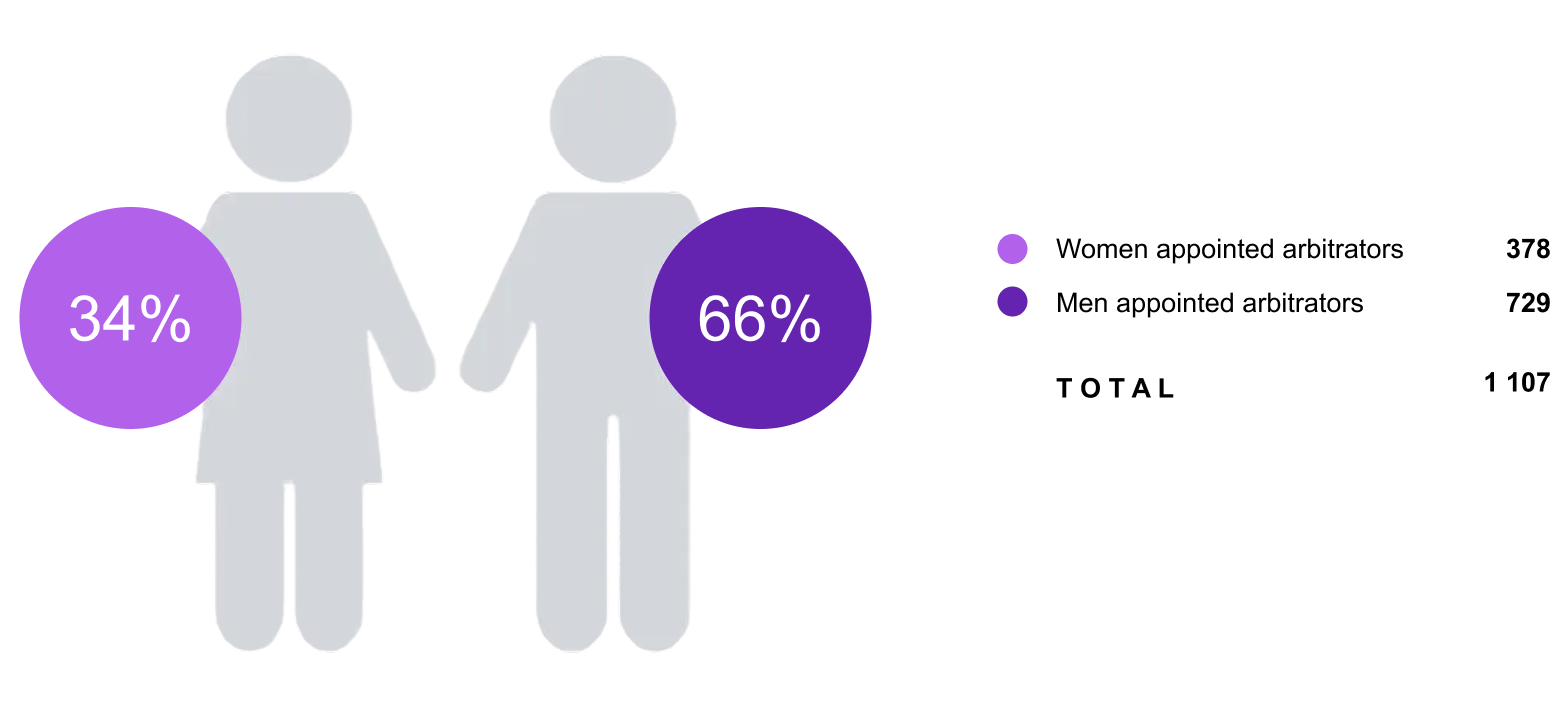
The 2020 Report revealed that, of all 1,251 appointments, 80 per cent of arbitrators were men and 20 per cent women. By comparison, the percentage of women appointed as arbitrators rose from 20 per cent to 34 per cent during the period of the two reports. Although full gender parity remains some way off, the substantial increase of 14 percentage points (representing a relative increase of 70 per cent compared to the 2020 Report) demonstrates a significant improvement over the past decade. This is a continuation of the positive trend identified in the 2020 Report. This indicates that the international arbitration community’s ongoing efforts towards diversity in arbitration are yielding positive results, with arbitral institutions like the SCC leading the way.
The 2026 Report reveals a positive trend in respect to gender balance in party-appointments. According to the data, 26 per cent (176 of 686) of the appointments made by the parties were female and 74 per cent (or 510) were male arbitrators. This was an increase from 14 per cent female party-appointed arbitrators in the period of 2015-2019. This represented a substantial increase of 12 percentage points (which represents a relative increase of 86 per cent), highlighting a clear positive trend toward greater gender balance in party appointments. This confirms the upward trend the SCC has noted during the period, with the proportion of women appointed in 2024 being higher than the proportion appointed in 2020, and 31 per cent of party appointments in 2023 alone being female.
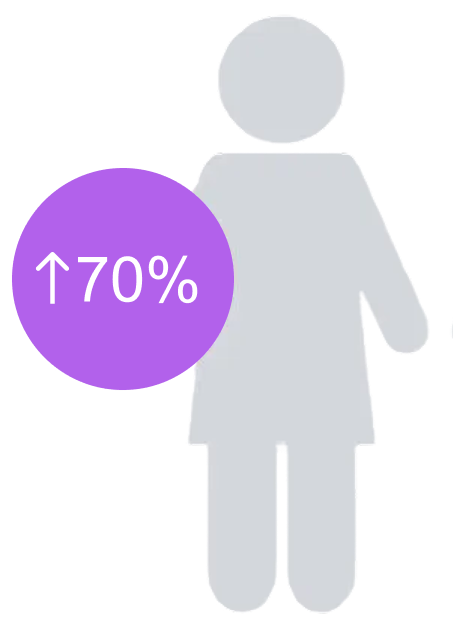
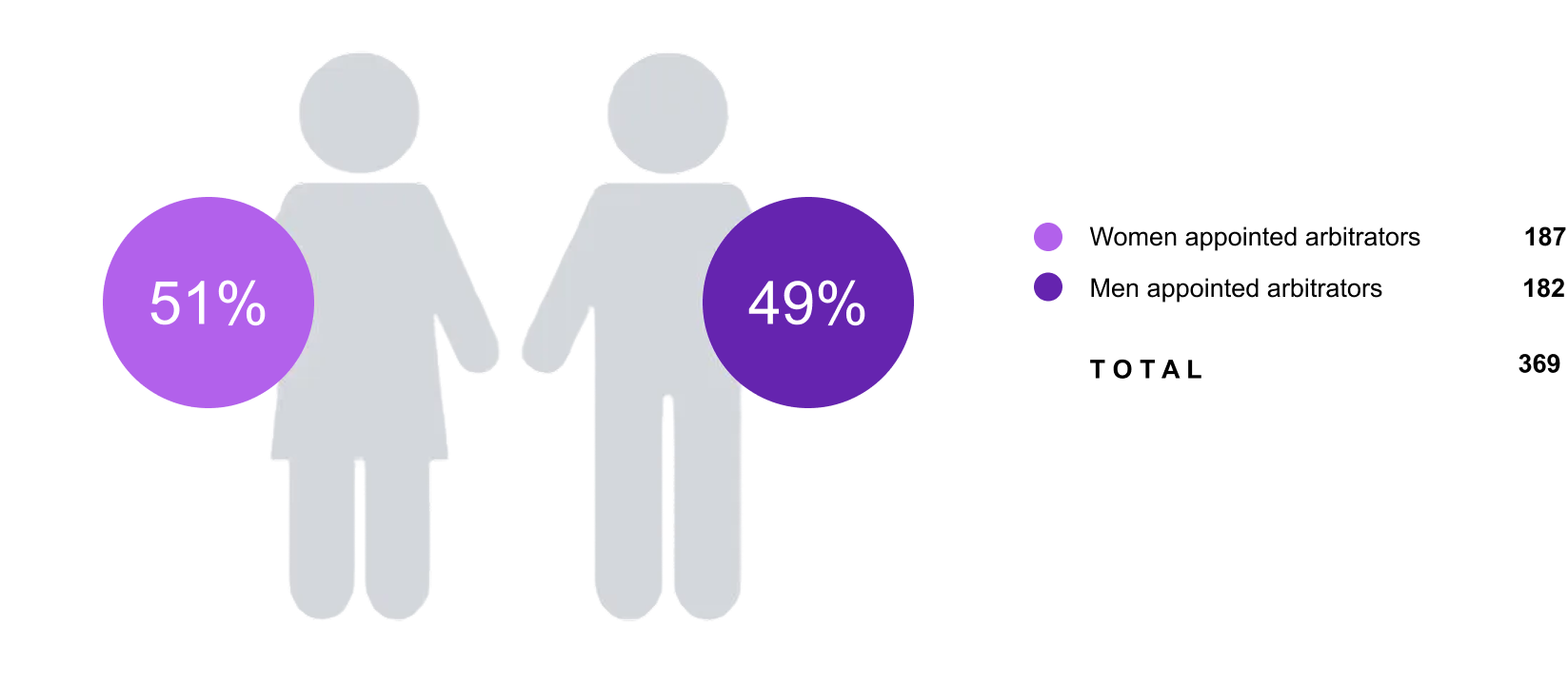
In the period of 2020-2024, as mentioned above, the SCC made approx. 33 per cent (or 369) of all 1,107 arbitrator appointments. Among these appointments, 51 per cent (or 187) of the arbitrators appointed were female, and 49 per cent (or 182) were male. By comparison, according to the 2020 Report, 30 per cent of SCC appointments were female arbitrators. This represents an increase of 21 percentage points, corresponding to a relative increase of 70 per cent between the two periods. The SCC has thus achieved gender parity in its appointments during the period of 2020-2024.
As to the 5 per cent of appointments made by the co-arbitrators, 71 per cent (or 37) were male, and 29 per cent (or 15) were female. As the breakdown of gender for the co-arbitrator appointments of arbitrators were not provided in the 2020 Report, it is not possible to provide a comparison with the 2026 Report. The data from the present period will, however, serve as a baseline for future reporting on gender diversity in co-arbitrator appointments.
Overall, the results are encouraging, and progress continues to be made. In particular, the SCC can be proud to have achieved gender parity in its appointments. However, there is still work to be done in respect to the parties and the co-arbitrators to achieve more gender diversity. Additionally, the SCC is actively monitoring the value of disputes when making appointments to ensure a balance of genders across higher and lower‑value disputes.
Arbitrator appointments by role
The proportion of women appointed as sole arbitrator or chairperson in SCC cases increased from 29 per cent between 2015 and 2019 to 44 per cent between 2020 and 2024. Similarly, the proportion of women appointed as co-arbitrators rose from 14 per cent to 32 per cent over the same period.
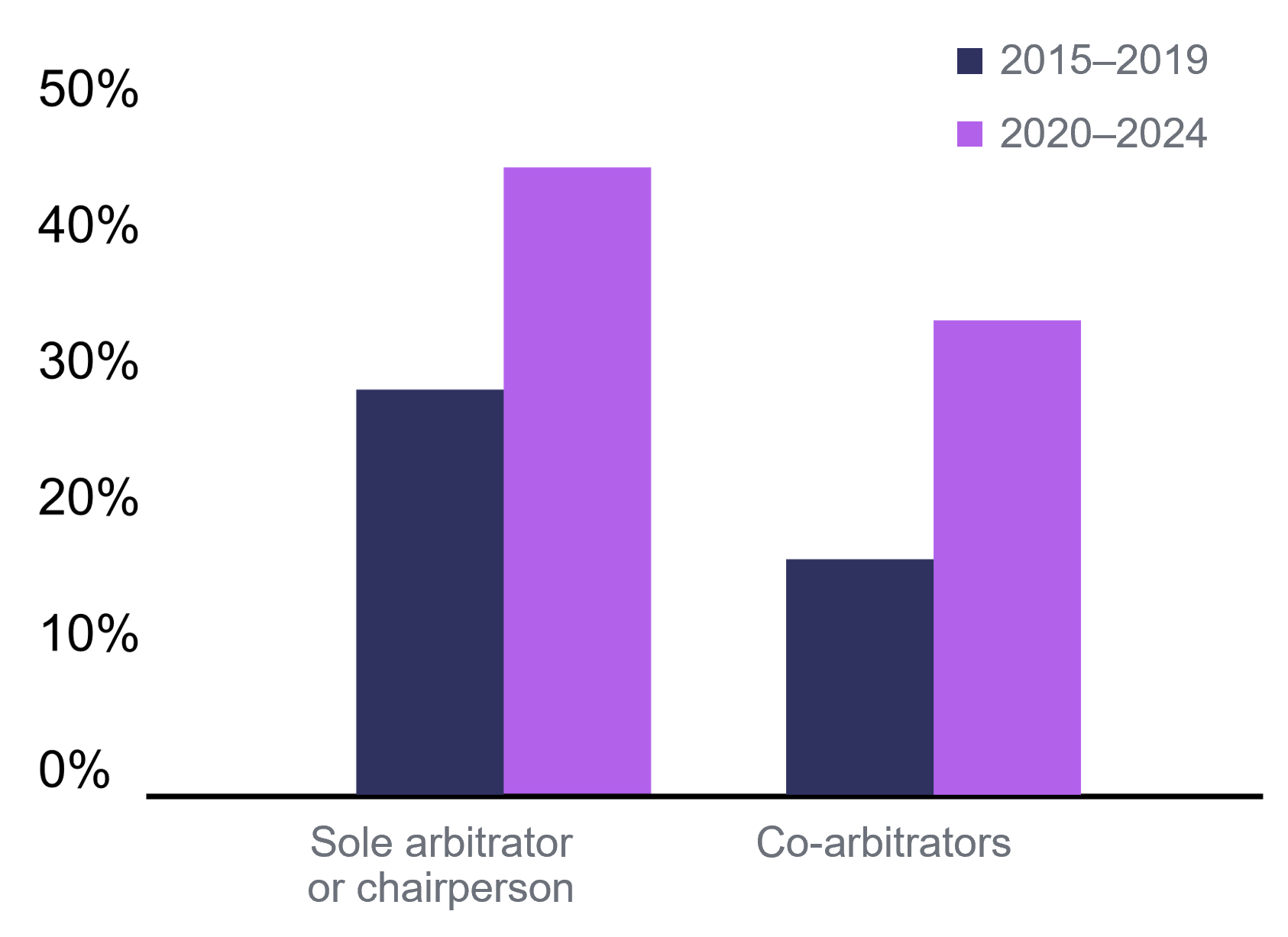
The proportion of women appointed as sole arbitrators increased by 15 percentage points (a 52 per cent rise), while the proportion of women appointed as co-arbitrators increased by 18 percentage points (a 129 per cent rise) between the periods 2015–2019 and 2020–2024. These results represent significant strides forward in a relatively short space of time.
An analysis of the data indicates only minor differences in the statistics in gender diversity in Swedish and international cases. For sole arbitrators, women comprised 46 per cent of appointments in Swedish cases and 48 per cent in international cases. For co-arbitrators, women accounted for 35 per cent of appointments in Swedish cases and 25 per cent in international cases.
Arbitrator fees
During the period of 2020-2024 arbitrator fees increased substantially for both women and men. The average fee for women rose from EUR 27,665 to EUR 43,891 (an increase of 58.6 per cent), while the average fee for men increased from EUR 33,268 to EUR 45,489 (an increase of 36.7 per cent). It should be noted that the period encompasses revisions to the Schedule of Costs in the SCC Rules, which will have influenced these increases.
On average fees, the gender gap therefore narrowed markedly, from 20.3 per cent in 2015-2019 to 3.6 per cent in 2020-2024. However, the median fee for women arbitrators increased from EUR 14,364 to EUR 28,864, while the median fee for men increased from EUR 16,465 to EUR 34,770, which corresponds to a wider median fee gap between the genders from 14.6 per cent to 20.5 per cent. The above figures relate to Standard Arbitrations under the SCC Arbitration Rules. Notably, in Expedited Arbitrations, the pattern was reversed: women commanded a higher median fee (EUR 13,966) than men (EUR 13,610) and a substantially higher average fee (EUR 23,794 compared to EUR 16,880).
The SCC’s statistics compare favourably to those of other comparable international arbitral institutions, many of which also engage in efforts to promote gender diversity.17 The SCC thus remains a leader in this space. Although the absolute numbers of female arbitrators being appointed remain lower than their male counterparts, the SCC’s findings are consistent with the majority user perception that “progress has been made in terms of gender diversity on arbitral tribunals over the past three years.”18 The SCC is proud to be a leading actor in the efforts to promote diversity in arbitrator appointments.19
| Proceeding | Role | Gender | Median | Average |
|---|---|---|---|---|
| Standard Arbitration | Chair / Sole arbitrator | Female | €28,864 | €43,891 |
| Standard Arbitration | Chair / Sole arbitrator | Male | €34,770 | €45,489 |
| Expedited Arbitration | Sole arbitrator | Female | €13,966 | €23,794 |
| Expedited Arbitration | Sole arbitrator | Male | €13,610 | €16,880 |
Nationality
Internationality
The SCC’s caseload is increasingly international in character. From 2020 to 2024, approximately 48 per cent of analysed cases (409) were international, i.e., involving one or more non-Swedish party, with the remaining 52 per cent (445) being domestic. It should be noted that this number refers to cases under the SCC Rules, i.e., excluding cases administrated by the SCC under the UNCITRAL Arbitration Rules. In general, the majority of cases administered under the SCC Arbitration Rules are international,20 while the majority of cases administered under the SCC Rules for Expedited Arbitrations, which in 2024 represented 35 per cent of the SCC’s total caseload, are Swedish.
From 2020 to 2024, approximately 57 per cent of analysed cases (301) under the SCC Arbitration Rules were international, i.e., involving one or more non-Swedish party, with the remaining 43 per cent (229) being domestic.
From 2020 to 2024, approximately 28 per cent of analysed cases (83) under the SCC Rules for Expedited Arbitrations were international, i.e., involving one or more non-Swedish party, with the remaining 72 per cent (209) being domestic.
Appointments in international cases constitute 638 of the 1,107 total. Of these 638 appointments, 53 per cent (337) of the arbitrators were Swedish. Of these, 63 per cent (or 213) were made by the parties, 34 per cent (or 114) by the SCC and 3 per cent (or 10) by co-arbitrators. Interestingly, higher‑value disputes are more international in the composition of the Arbitral Tribunal, with noticeably fewer Swedish arbitrators at the top end of the cases.
The distribution of the SCC cases under the SCC Arbitration Rules across languages is as follows. In approx. 58 per cent of cases (310 cases), the language of the proceedings was English. Swedish was the language in approx. 40 per cent of the cases (210 cases), while Russian was the language in approx. 2 per cent of cases (9 cases), and Finnish for the remaining 1 case.
Cases administered under the SCC Rules for Expedited Arbitrations were conducted predominantly in Swedish (approx. 74 per cent, or 216 cases), with English accounting for approx. 26 per cent (75 cases) and Russian for the remaining 1 case.
Applicable law
Swedish law was applicable in 89 per cent (394) of all domestic Swedish cases, and in 51 per cent (210) of the international cases. Sweden has a longstanding history as a neutral jurisdiction and a strong commitment to upholding the rule of law. Moreover, it is considered that Swedish contract law corresponds with the UNIDROIT Principles of International Commercial Contracts to approx. 98 per cent.21 This has facilitated the SCC’s role in providing an independent and impartial forum to parties from around the world, serving as a neutral bridge between East and West. This perception appears to extend to Swedish arbitrators, demonstrated by the fact that 67 per cent of Swedish arbitrators were appointed by the disputing parties themselves in international arbitrations under the SCC Rules. Of course, Swedish judges have long been a preferred neutral choice, with Gunnar Lagergren as the first president of the Iran-United States Claims Tribunal being one prominent example. Other commonly seen applicable laws include English law, Finnish law, German law, Polish law, Swiss law, international law or treaties, Russian law, Danish law, Latvian law, Norwegian law, Ukrainian law, and the CISG.
Swedish law was applicable in 51 per cent of the international cases.
It will come as no surprise that the applicable law has an effect on the nationality of the arbitrators appointed. During the 2020-2024 period, Swedish arbitrators were the most appointed. The second most-frequently appointed nationality of arbitrator was UK, closely followed by Finnish. This is broadly in line with the 2020 Report, where the top three nationalities were Swedish, British, and German.
| 2015–2019 | 2020–2024 |
|---|---|
| Sweden | Sweden |
| United Kingdom | United Kingdom |
| Germany | Finland |
In a typical case in which Swedish substantive law is applicable, and each party has appointed an arbitrator from its home jurisdiction, not being Sweden (or the case is to be heard by a sole arbitrator), the SCC will often appoint a Swedish arbitrator to ensure that the Arbitral Tribunal has adequate knowledge of Swedish law. However, that the SCC does not appoint a Swedish arbitrator in half of the international cases indicates the diversity of its caseload and its careful consideration of the needs of each case in making the appointments. In general, the SCC does not appoint a Swedish chairperson where one of the parties has appointed a Swedish co-arbitrator, although the parties’ agreement, preferences and / or respective nationalities may also be a factor in such considerations.
Arbitrator nationality
The above figures affirm the SCC’s status as an international arbitral institution. Moreover, there was also a geographical diversity in the arbitrator appointments during the period, with the individuals appointed as arbitrator hailing from 36 different jurisdictions. The list of most frequently appointed nationalities is broadly consistent with the results of the 2020 Report.
The SCC is a truly international organization, with appointed arbitrators hailing from 36 different jurisdictions
| No. | Country | Number of arbitrators | Percentage of total22 |
|---|---|---|---|
| 1. | Sweden | 217 | 50 per cent |
| 2. | United Kingdom | 30 | 7 per cent |
| 3. | Finland | 23 | 5 per cent |
| 4. | Denmark | 17 | 4 per cent |
| 5. | Norway | 16 | 4 per cent |
| 6. | Germany | 14 | 3 per cent | 7. | Switzerland | 14 | 3 per cent |
| 8. | France | 14 | 3 per cent |
| 9. | United States | 13 | 3 per cent |
| 10. | Russia | 12 | 3 per cent |
| 11. | Poland | 7 | 2 per cent |
| 12. | Italy | 7 | 2 per cent | 13. | Estonia | 6 | 1 per cent |
| 14. | Canada | 6 | 1 per cent |
| 15. | Spain | 5 | 1 per cent |
| 16. | Austria | 5 | 1 per cent |
The arbitrators’ nationalities broadly correspond to a large extent with the nationalities of the parties.
Repeat appointments
There has been a decrease of the number of repeat appointments when comparing the 2020-2024 period with the 2015-2019 period.
Considering all the arbitrator appointments over the period of 2020-2024, 272 of all 436 arbitrators (or 62 per cent) were appointed only once, 108 arbitrators (or 25 per cent) were appointed 2-4 times, and 37 (or 9 per cent) were appointed 5-9 times. Only 19 arbitrators (or 4 per cent) were appointed in 10 or more cases during this period.
It is important to distinguish between repeat appointments made by the parties and those made by the SCC, because parties generally have limited insight into an arbitrator’s previous appointments and have less incentive to avoid a concentration of experience and opportunities to a few individual arbitrators. By contrast, arbitral institutions have access to the information on an arbitrator’s prior appointments with that institution.
The highest number of repeat appointments to a single arbitrator made by the SCC decreased slightly when comparing the two time periods, from nine appointments during the five-year period between 2015 and 2019 to eight appointments during the five-year period between 2020 and 2024. For the avoidance of doubt, this figure refers only to appointments made by the SCC and does not include appointments made by parties or co-arbitrators.
The arbitrator appointed most times by the SCC in the 2020-2024 period was appointed 8 times during those five years.
As observed in the 2020 Report, the practice of repeatedly appointing the same arbitrators has a significant effect on the diversity of the arbitrator pool. This is because it concentrates arbitration experience in fewer individuals, thereby further limiting the pool of potential arbitrators available.23
The SCC actively contributes to a larger and more diverse pool of arbitrators. Not only by virtue of the appointments themselves, but by allowing anybody to register their details in the SCC Arbitrator Registry, as well as by engaging with and supporting educational programs such as the biennial SAA/SCC Arbitrator Training Course in Swedish24, and the SCC/SAA Diploma Course for International Arbitrators.25
Number of arbitrators with repeat appointments (by gender), 2020–2024
| Number of appointments | Female | Male | Total |
|---|---|---|---|
| 1 | 75 | 197 | 272 |
| 2 | 20 | 42 | 62 |
| 3 | 9 | 15 | 24 |
| 4 | 10 | 12 | 22 |
| 5 | 4 | 9 | 13 |
| 6 | 4 | 9 | 13 | 7 | 2 | 2 | 4 |
| 8 | 2 | 1 | 3 |
| 9 | 0 | 4 | 4 |
| 10 | 3 | 1 | 4 |
| 11 | 1 | 3 | 4 |
| 12 | 0 | 0 | 0 | 13 | 0 | 0 | 0 |
| 14 | 0 | 2 | 2 |
| 15 | 0 | 1 | 1 |
| 16 | 1 | 0 | 1 | 17 | 0 | 2 | 2 |
| 18 | 0 | 0 | 0 | 19 | 0 | 1 | 1 |
| 20 | 0 | 0 | 0 |
| 21–39 | 0 | 0 | 0 |
| 40 | 1 | 0 | 1 |
Repeat appointments by gender
As in the previous period, there were more repeat appointments among male arbitrators, accounting for 72 per cent of all repeat appointments. This is in line with the overall statistics, where 66 per cent of the appointed arbitrators were men. However, female arbitrators were proportionally more represented in the categories of 8 and 10 appointments, comprising 67 per cent and 75 per cent of those categories, respectively. It is also noteworthy that a female arbitrator was the most frequently appointed, with a total of 40 appointments, of which 33 were made by parties, 3 by the SCC, and 4 by co-arbitrators. This appointment profile also reflects the general tendency for repeat appointments to be driven primarily by parties rather than by the SCC.
The most appointed arbitrator during the period was a female arbitrator with a total of 40 appointments – 33 by parties, 3 by the SCC, and 4 by co-arbitrators.
Age
Age at the time of appointment
According to the SCC’s records and the data provided by arbitrators, the average age of arbitrators appointed in SCC cases during the period was 53,26 and the median age was 51. For men, the median age was 55 and for women it was 47. Arbitrators appointed in SCC arbitrations during the period were mostly clustered between the ages of 45 and 61. This compares well with the 2020 Report, which found the median age at time of appointment during the relevant period was 56 for men, and 45 for women.
The youngest arbitrator appointed in an SCC case in 2020-2024 was 31 at the time of their first appointment during the period. The arbitrator in question was a man appointed by the SCC. The eldest arbitrator appointed in an SCC case during the period was 81 at the time of the appointment. The arbitrator in question was a man who was appointed by one of the parties.
Age of arbitrators by appointer
An analysis of the period 2020-2024 shows clear differences in the age profiles of arbitrators depending on who made the appointment. SCC‑appointed arbitrators were the youngest group, with a median age of 47 and an average age of 48.6 at the time of referral. Party‑appointed arbitrators were significantly older, with a median age of 55 and an average age of 56.5, reflecting the tendency of parties to appoint more senior, familiar practitioners.
Chairs appointed by co-arbitrators skewed older still, with an average age of 59.1 and a median age of 58.5, indicating a tendency to select peers with substantial seniority and experience. These patterns are broadly consistent with the dynamics observed in the 2020 Report, where the SCC similarly appointed younger arbitrators relative to the parties, and continue to illustrate how the SCC in its appointments contributes to renewing and widening the arbitrator pool.
Younger arbitrators and lower value disputes
In line with anecdotal evidence, younger arbitrators continue to be appointed more often in lower value disputes. Many of these appointments concern arbitrations administered under the SCC Rules for Expedited Arbitrations, which on average last between 3-6 months. The data clearly shows that older arbitrators are more represented as case values rise.
In other words, fees rise with arbitrator age, mirroring the findings of the 2015-2019 report. However, median fees increased across all age bands between the two periods, +64.9 per cent (<40), +102.8 per cent (40-49), +133.0 per cent (50-59), and +105.4 per cent (60+).
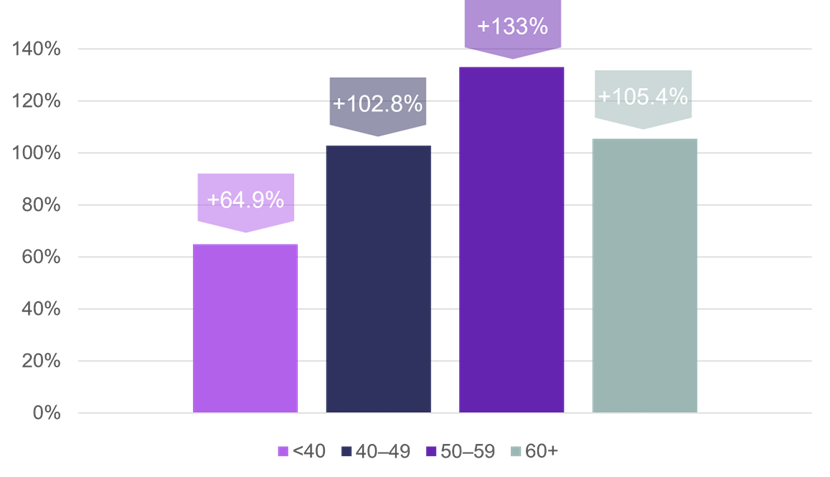
This indicates that fee growth was broad‑based across the arbitrator pool rather than concentrated among the most senior arbitrators. Increases in both average and median fees reflect revisions to the Schedule of Costs to the SCC Rules during the period. However, they also reflect shifts in the size and complexity of cases resolved during 2020-2024. For a detailed analysis of arbitrator fees by gender, including the distinction between Standard Arbitrations and Expedited Arbitrations, see section 5 above.
Key findings
By considering the findings of this 2026 report and drawing comparisons with the 2020 Report, it is possible to identify certain trends within arbitrator appointments in SCC cases. These include the following.
The numbers of appointments in SCC cases
During the period 2020-2024, a total of 1,107 arbitrator appointments were made across 854 registered cases, involving 436 individual arbitrators (i.e., unique individuals), of whom 303 were men and 133 were women. The SCC was responsible for approximately 33 per cent of all appointments, while parties made 62 per cent and co-arbitrators made the remaining 5 per cent. This is a ratio that has remained broadly consistent over the past decade.
SCC cases are consistently international in character
The SCC continues to administer a high number of international cases. Approximately 48 per cent of all analysed cases were international. However, the international character of SCC caseload is most pronounced in cases administered under the SCC Arbitration Rules. The proportion of international cases under the Arbitration Rules increased steadily over the period, from 56 per cent in 2020 to 61 per cent in 2024.
By contrast, cases administered under the SCC Rules for Expedited Arbitrations were predominantly domestic, with international cases accounting for between 9 and 41 per cent of expedited cases during the same period.
Appointments in international cases constituted 638 of the 1,107 total, or 58 per cent of the total appointments. The cases are also linguistically diverse, with 49 per cent of all cases under the SCC Rules administered in English, and cases also being administered in other languages, such as Finnish and Russian.
Geographical diversity remains strong
Arbitrators appointed during the period came from 36 different jurisdictions, with the top nationalities being Swedish, UK, and Finnish.
More Swedish arbitrators are being appointed in international cases
Swedish arbitrators were appointed in many international cases. In line with the prevalence of Swedish law as the governing law, Swedish arbitrators comprised 53 per cent of the total appointments in international cases. This demonstrates continuity compared with the findings 2020 Report.
The parties remain the most influential drivers of diversity and inclusion in arbitration
The parties were responsible for 62 per cent of all 1,107 appointments. Although the proportion of female appointments made by the parties increased from 14 per cent in the previous period to 26 per cent in the present period, and 31 per cent in the year 2023 alone, indicating improvement, there is still a need for further progress. This highlights the importance of including the parties and their representatives in efforts to increase the diversity of the arbitration pool.
Significant increase in the proportion of women appointed as arbitrators overall
Whereas the average percentage of women appointed as arbitrators was 20 per cent between 2015 and 2019, this figure increased to 34 per cent between 2020 and 2024.
The report identifies several positive trends, including a relative 70 per cent increase in female arbitrator appointments and the 129 per cent rise in women appointed as co-arbitrators. This shows significant progress is being made and provides grounds for optimism.
The SCC appointed women arbitrators twice as often as the parties
The proportion of women appointed by the SCC increased significantly, from 30 per cent during the period 2015-2019 to 51 per cent during the period 2020-2024. The SCC can be proud to have achieved and consistently maintained a gender balance in its appointments. This is a significant institutional achievement and demonstrates the effectiveness of the SCC’s practice.
High numbers of repeat appointments were rare
A mere 4 per cent of arbitrators in SCC cases during the period of 2020-2024 were appointed ten or more times in SCC arbitrations. This underscores the SCC’s commitment to broadening the pool of arbitrators.
Age diversity shows stability and accessibility
The report shows that arbitrators in SCC cases continue to encompass a wide age range (31-81 years), with a median appointment age of 51. Notably, women received their first appointments at a younger median age (47) compared to men (55).
The average age of arbitrators appointed during the period was 53, with a median age of 51. The median age for men was 55, compared to 47 for women. SCC-appointed arbitrators were the youngest group, with a median age of 47, while party-appointed arbitrators had a median age of 55. These figures indicate that the SCC continues to contribute to the renewal of the arbitrator pool by appointing younger practitioners, while parties tend to favour more senior arbitrators.
Arbitrator fees
In line with increases to the Schedule of Costs in the SCC Rules, the average fees increased for both genders. In Standard Arbitrations, the average fee for women arbitrators rose from EUR 27,665 to EUR 43,891, while the average fee for men rose from EUR 33,268 to EUR 45,489, narrowing the gender gap on average fees from approximately 20 per cent to 4 per cent. Moreover, median fees increased across all age bands between the two periods, by 64.9 per cent for arbitrators under 40, 102.8 per cent for those aged 40-49, 133.0 per cent for those aged 50-59, and 105.4 per cent for those aged 60 and above.
However, although the gender gap narrowed on average fees, it widened on median fees: the median fee for women rose from EUR 14,364 to EUR 28,864, while the median fee for men rose from EUR 16,465 to EUR 34,770, increasing the gender gap on median fees from approximately 15 per cent to 20 per cent. Notably, in Expedited Arbitrations, the pattern was reversed, with women commanding a higher median fee (EUR 13,966) than men (EUR 13,610) and a substantially higher average fee (EUR 23,794 compared to EUR 16,880).
Concluding remarks
This report demonstrates significant progress since 2015. The SCC now consistently achieves a gender balance in its appointments. Moreover, the arbitrator appointments continue to represent a wide range of ages and nationalities. However, the SCC is responsible for only 33 per cent of arbitrator appointments. Instead, the majority of appointments are made by the parties. From the statistics on gender diversity among party and co-arbitrator appointments, it is also clear that more work can be done to improve diversity and inclusion in arbitration.
It is therefore important to maintain awareness, dialogue, and transparency around the question of diversity and inclusion in arbitration. It is hoped that consistent efforts in this space will contribute to a more diverse and inclusive arbitrator pool, to ensure all qualified persons will be considered for appointments. And that everyone is appointing “the right person for the right mandate”.
As part of its commitments to promote diversity and inclusion in arbitration, as well as to provide greater transparency in arbitration practice, the SCC will continue to monitor and report on arbitrator appointments.
The SCC hopes that this updated report will provide confidence that progress has and continues to be made, at both the institutional and party levels and keep this important question at the top of the agenda. The community’s ongoing commitment to a diverse and qualified pool of arbitrators will ensure the continued legitimacy of, and confidence in, international arbitration.
How to be appointed as an arbitrator by the SCC
The appointment of arbitrators at the SCC is governed by the SCC Arbitration Rules and the SCC Rules for Expedited Arbitrations, in accordance with the SCC Policy on the Appointment of Arbitrators.
There is no official roster or list of approved arbitrators. Instead, the SCC, parties, and co-arbitrators are free to appoint any individual who is impartial and independent, and who possesses the qualifications relevant to the dispute. In practice, most arbitrators are experienced lawyers, academics, judges, or other dispute resolution professionals.
The SCC prioritises knowledge of and contact with demonstrably experienced and skilled arbitrators with expertise from different industries, areas of business, jurisdictions, and legal issues. Qualified individuals interested in being appointed as arbitrator by the SCC may submit their details in the SCC Arbitrator Registry.27 Practitioners are also welcome to apply for the SCC courses for arbitrators. The SCC co-organises two courses for arbitrators together with the Swedish Arbitration Association – one in Swedish,28 and one in English.29
Notes
1 This report was drafted by Jake Lowther, Specialist Counsel, and Yasmine Brunstorp, former Intern, of the SCC Arbitration Institute. The authors are grateful to Frederik Hummelmose, Intern, Alexandra Oster, former Intern, and Leonardo Catovic, former Visiting Professional, for their invaluable assistance.
2 The SCC, Diversity in arbitrator appointments – In SCC cases 2015-2019, retrieved at https://sccarbitrationinstitute.se/wp-content/uploads/2024/12/scc-rapport_diversity.pdf.
3 See Article 1 “About the SCC”in the SCC Rules, retrieved at https://sccarbitrationinstitute.se/en/scc-arbitration-rules-english-2023/.
4 Sections 7 and 8 of the Act. See also Article 18 (1) of the SCC Arbitration Rules.
5 The SCC’s Arbitrator Registry available: https://scc.highq.com/scc/renderSmartForm.action?formId=ef50653c-b3d6-44bc-880a-bb6dcfc91423.
6 The SCC acknowledges that not everyone identifies with a particular gender. When registering, there is an option for the registrant to specify “other” or to refrain from disclosure.
7 Article 16 (2) of the SCC Arbitration Rules.
8 Article 17 (3) of the SCC Arbitration Rules.
9 More information on this service is available here: https://sccarbitrationinstitute.se/en/our-services/ad-hoc-arbitrations/
10 Article 17 (5) of the SCC Arbitration Rules.
11 Article 17 Number of arbitrators in the SCC Rules for Expedited Arbitrations.
12 SCC, SCC Policy – Appointment of Arbitrators. (2023), retrieved at: scc_policy_appointment_arbitrators_2023.pdf.
13 See Article 18 of the SCC Arbitration Rules, and the SCC Policy – Appointment of Arbitrators, ibid.
14 SCC webpage, Arbitrator appointment, retrieved at: https://sccarbitrationinstitute.se/en/about-scc/arbitrator-appointment/ (accessed on 29 April 2025).
15 Available here: https://scc.highq.com/scc/renderSmartForm.action?formId=ef50653c-b3d6-44bc-880a-bb6dcfc91423.
16 Lindsay Gastrell, “SCC Spotlight Talk”, SCC Arbitration Institute, accessed 7 April 2025, https://sccarbitrationinstitute.se/en/news/scc-spotlight-talk-lindsay-gastrell/.
17 For example, figures from the ICC in 2023 indicate that 26 per cent of female arbitrators appointed were sole arbitrators. See ICC, 2023 Statistics, https://iccwbo.org/wp-content/uploads/sites/3/2024/06/2023-Statistics_ICC_Dispute-Resolution_991.pdf. See also ICSID, retrieved from https://icsid.worldbank.org/news-and-events/news-releases/icsid-releases-2024-caseload-statistics (accessed 2 May 2025); VIAC, retrieved at https://www.viac.eu/wp-content/uploads/2025/03/VIAC-Annual-Report-2024-1.pdf (accessed 2 May 2025).
18 White & Case and Queen Mary University of London, 2021 International Arbitration Survey: Adapting arbitration to a changing world, https://www.qmul.ac.uk/arbitration/media/arbitration/docs/LON0320037-QMUL-International-Arbitration-Survey-2021_19_WEB.pdf (accessed 10 December 2025), p. 2.
19 Growing Gender Diversity in International Arbitration: A Half Truth? – Kluwer Arbitration Blog
20 For example, in 2024, 65 per cent of cases that were administered under the SCC Arbitration Rules were international and 35 per cent were Swedish, see: https://sccarbitrationinstitute.se/en/statistics-2024/.
21 SCC, SCC Spotlight Talk: Christina Ramberg (11 November 2025), retrieved at https://sccarbitrationinstitute.se/en/news/scc-spotlight-talk-christina-ramberg/.
22 Out of a total 436 individual arbitrators appointed during the period, rounded to the nearest whole.
23 See the SCC, Diversity in arbitrator appointments – In SCC cases 2015-2019, retrieved at https://sccarbitrationinstitute.se/wp-content/uploads/2024/12/scc-rapport_diversity.pdf, p. 17.
24 Additional information: https://sccarbitrationinstitute.se/en/courses/arbitrator-training-programme/
25 Additional information: https://sccarbitrationinstitute.se/en/courses/diploma-course-for-international-arbitrators/
26 The age at the time of their first appointment during the period of 2020 and 2024.
27 The SCC’s Arbitrator Registry is available here: https://scc.highq.com/scc/renderSmartForm.action?formId=ef50653c-b3d6-44bc-880a-bb6dcfc91423
28 SCC, Arbitrator Training Programme, retrieved at: https://sccarbitrationinstitute.se/en/courses/arbitrator-training-programme/.
29 SCC, Diploma Course for International Arbitrators, retrieved at: https://sccarbitrationinstitute.se/en/courses/diploma-course-for-international-arbitrators/.